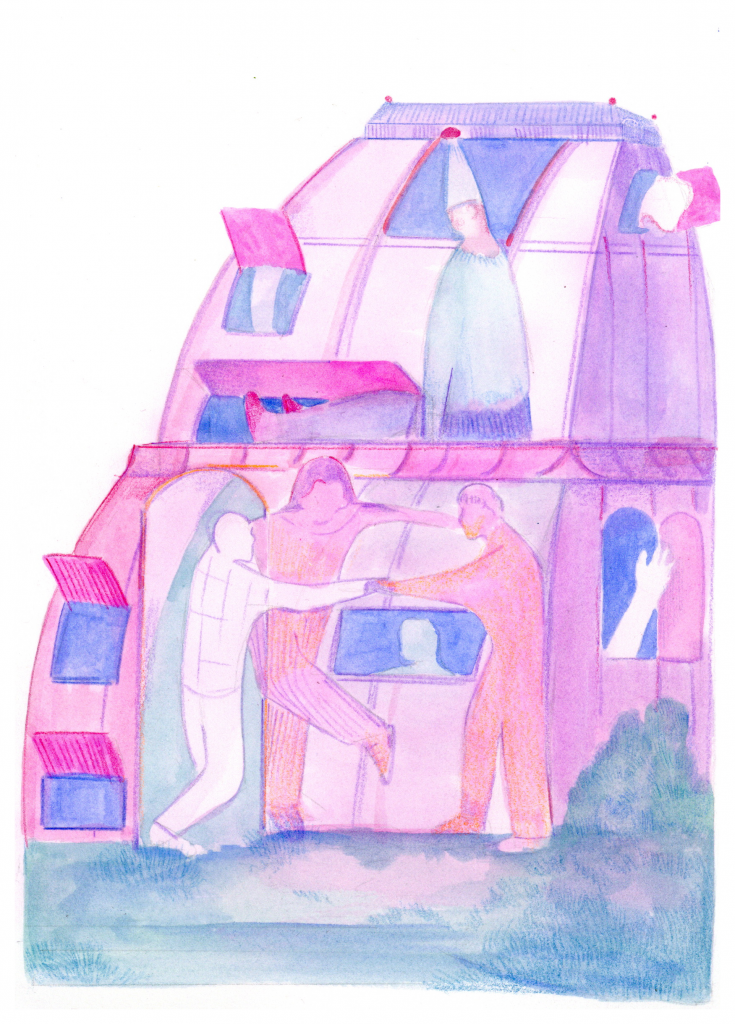
Expression without ‘language’
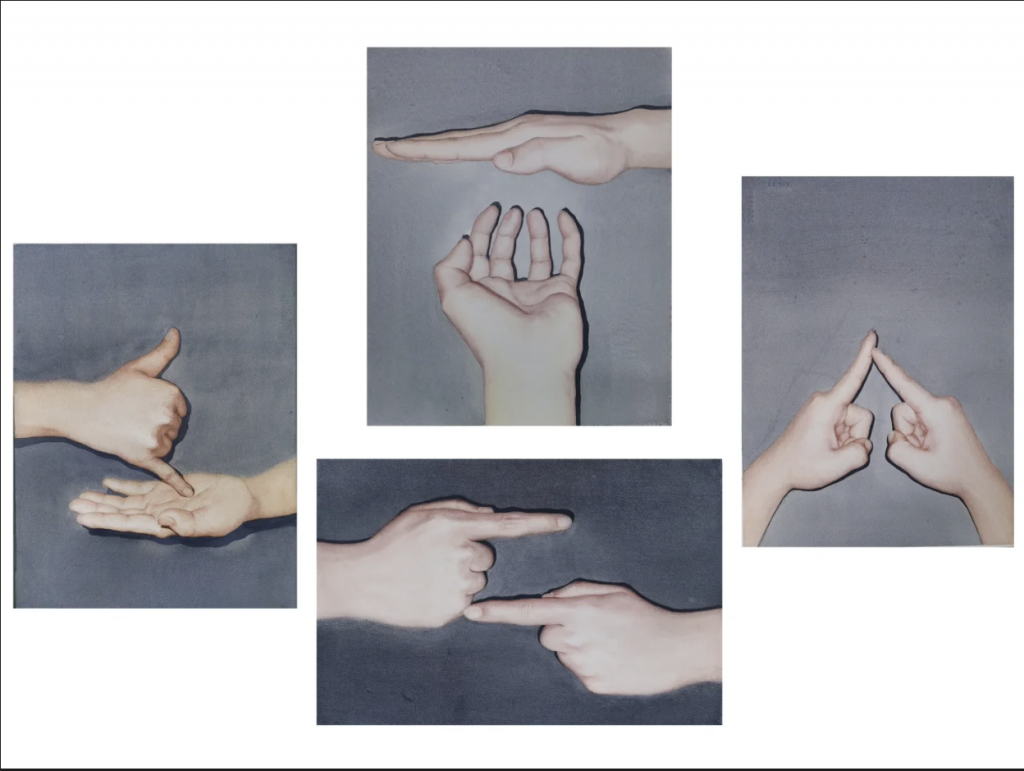
Sign Language
the role of sign language within play activities, focusing on how non-verbal communication can enhance interaction, inclusion, and expression among children. Sign language becomes a powerful tool in play-based learning, especially for children with hearing impairments or those who are non-verbal. Through games, storytelling, and collaborative tasks, sign language not only supports communication but also encourages creativity, empathy, and social bonding. Observing children using sign language during play highlights the rich, visual-spatial nature of this form of communication and opens up new possibilities for inclusive play environments. This area of study helps bridge gaps in accessibility and promotes the idea that play can be both expressive and universally understood, regardless of spoken language.
Playing and Children behavior
Explore and Curious
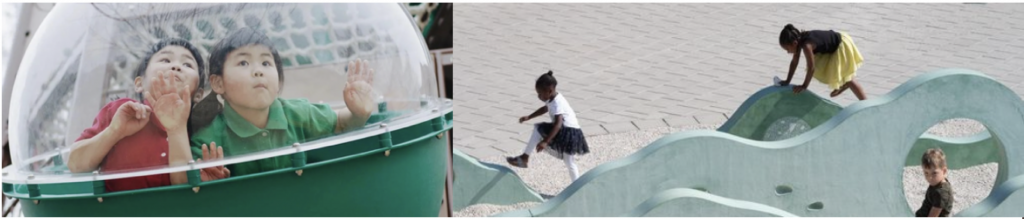
Games, as an external stimulus, trigger children’s behavioral responses. When games bring emotional rewards, children tend to participate in similar activities again. The emotional “sense of gain” is actually a psychological reaction formed after the behavior is reinforced by emotions. This mechanism not only helps children experience pleasure in games, but also subtly shapes their behavioral patterns and social and emotional development.
Playing and Social Learning
Children imitate the behavior of their peers in group games and, when they observe others gaining happiness or praise, they strengthen their expectations of that behavior, thereby forming similar behaviors and experiencing emotional satisfaction.
Also like in the previous research ‘Kidulting’
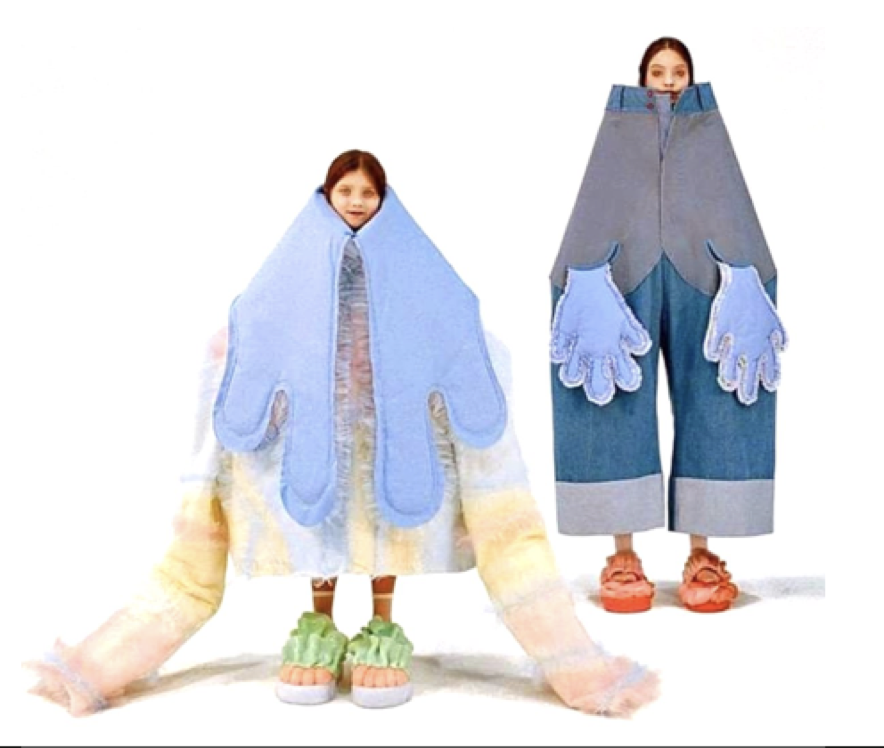
Observing positive emotions
Games provide children with a rich and natural source of positive emotions. Playing is not only a basic need for children’s development, but also an important support for their mental health and well-being.
play is more than just a recreational activity—it is a key component of socialization and identity formation in childhood. Games provide children with a structured yet flexible context in which they learn social norms, develop emotional intelligence, and build relationships.
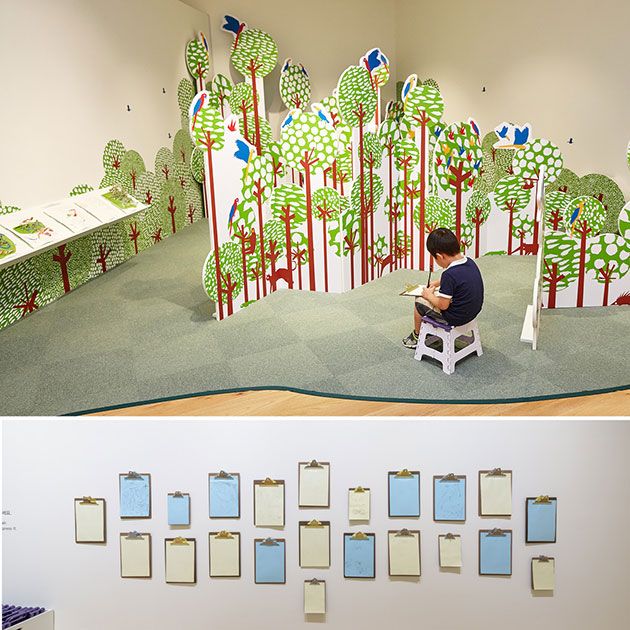
Play gives children a safe space to express and manage emotions such as joy, frustration, excitement, or disappointment. These emotional experiences are not only natural outlets but also serve as informal education in emotional regulation and resilience. As children engage with peers in playful settings, they encounter diverse social situations that mirror real-life social dynamics, fostering both individual and group identity.
Leave a Reply